Understanding hair loss: the starting point for every treatment
When talking about hair loss, the first thing to clarify is that not all hair loss is the same. In many cases, behind an increase in hair loss there are two completely different conditions: telogen effluvium and androgenetic alopecia. Both lead to visible hair loss, but have profoundly different causes, evolution and solutions. To really understand what is happening, it is useful to start from the life cycle of the hair: normally most of the hair is in the growth phase (anagen), while only a small percentage is in the resting phase (telogen), ready to fall out. When this balance is altered, the fall can become evident and, in some cases, worrying. Correctly distinguishing these two conditions is essential to avoid incorrect treatments and intervene in a targeted manner.
Telogen Effluvium: a sudden drop, often related to stress or change
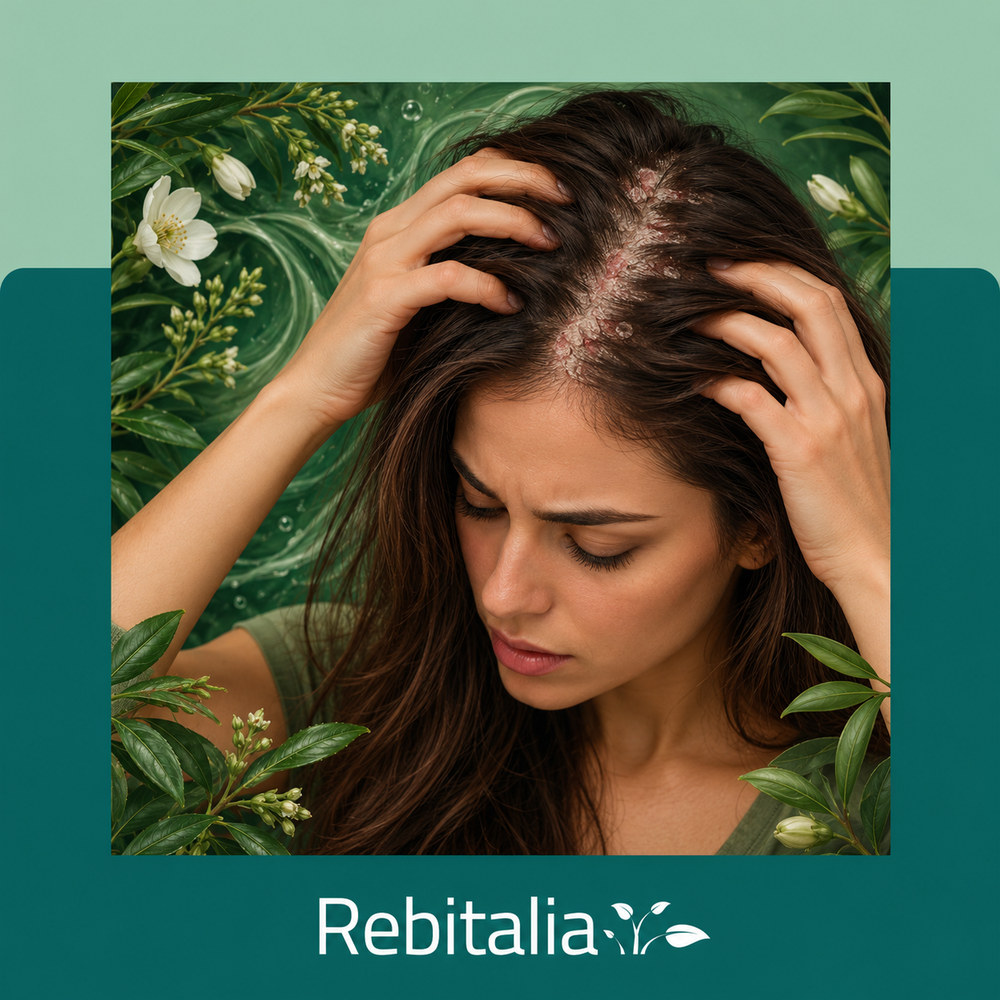
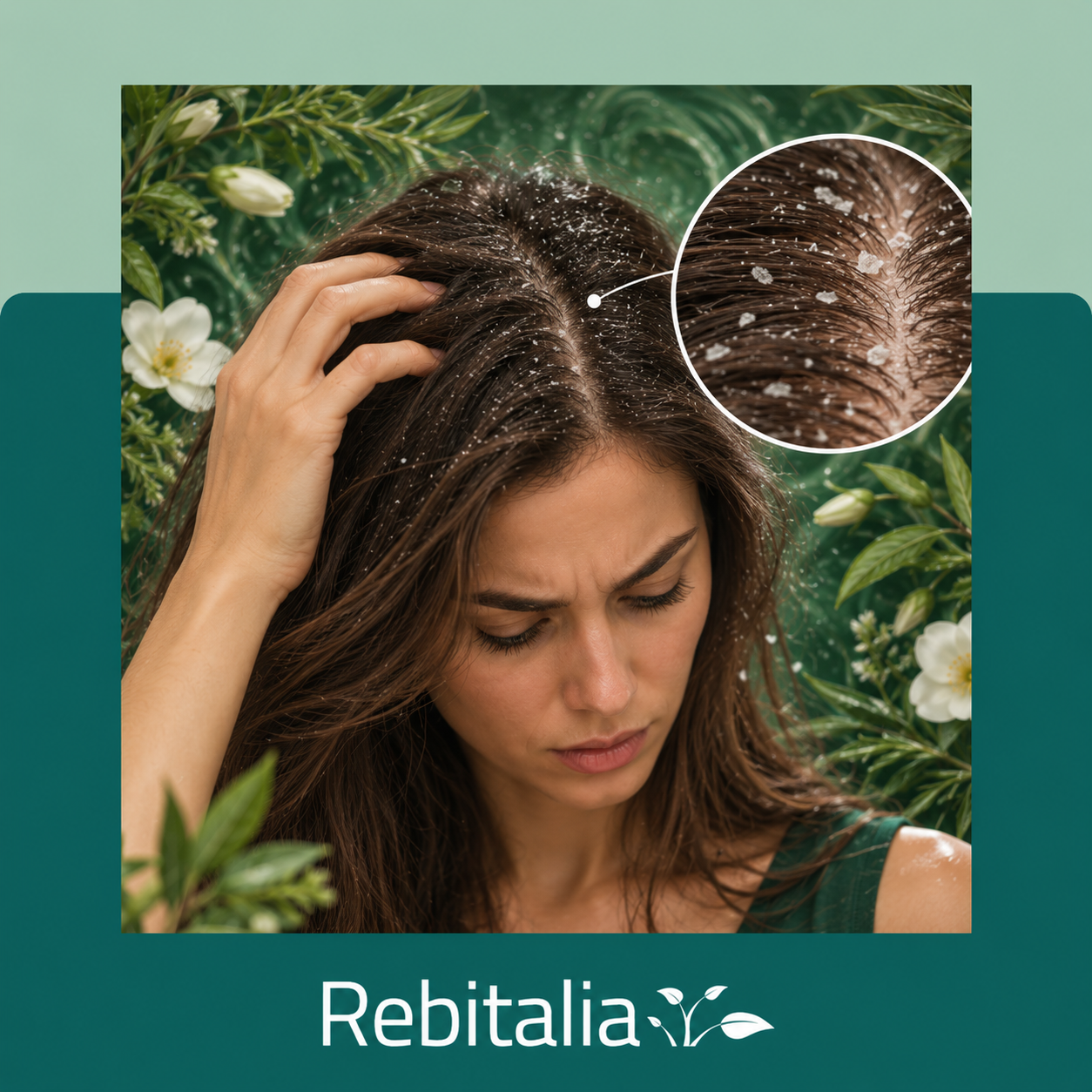
Telogen effluvium is a form of hair loss, generally temporary, characterized by sudden and diffuse loss over the entire scalp. The main cause is an imbalance in the hair cycle: many follicles enter the resting phase at the same time, and then fall out after about 2-3 months. This phenomenon is often linked to specific events such as intense psychophysical stress, hormonal changes (for example after a pregnancy), nutritional deficiencies, illnesses or drastic diets. One of the most important characteristics is precisely how it appears: those who suffer from it often say they find a lot of hair when shampooing or on the pillow, without however noticing specific thinning areas. The hair, in fact, maintains its thickness and appears healthy, but it falls out in greater quantities. The good news is that, once the underlying cause has been resolved, the situation tends to normalize spontaneously within a few months.
Androgenetic Alopecia: a progressive and genetic thinning
The case of androgenetic alopecia, the most common form of hair loss, which has a genetic and hormonal basis, is different. In this case the problem is not a sudden loss, but a progressive thinning of the hair caused by the action of DHT (dihydrotestosterone), a testosterone derivative that acts on predisposed follicles. This process leads to the so-called follicular miniaturization, i.e. the production of increasingly thinner, shorter and weaker hair over time. In men it often manifests itself with the classic hairlines and thinning on the vertex area, while in women a widening of the line is more common central and diffuse loss at the top of the head. Unlike telogen effluvium, this condition is progressive and requires a constant approach over time, because does not resolve spontaneously.
How to identify the disorder?
Understanding whether it is telogen effluvium or androgenetic alopecia is essential, and there are some signs that help you orient yourself: a sudden and widespread hair loss is often linked to a telogen effluvium, while a slow, localised thinning is more typical of androgenetic alopecia. The condition of the hair is also indicative: in the first case it often remains strong and uniform, in the second it tends to become progressively thinner. However, in real practice, the two conditions may also overlap. In fact, it is not uncommon for a person genetically predisposed to androgenetic alopecia to develop an episode of telogen effluvium, perhaps following stress or illness, temporarily worsening the situation. In these cases, evaluation becomes even more important to avoid superficial assessments and unsuitable cosmetic protocols.
How to choose the right treatment with the support of REBITALIA protocols
To correctly deal with hair loss it is essential to start with a personalised assessment: understanding whether the problem is temporary or progressive completely changes the type of intervention. In cases of telogen effluvium, the goal is to support the follicle during the recovery phase, working on nutrition, scalp balance and support for healthier-looking hair. In androgenetic alopecia, however, a continuous approach is necessary which aims to counteract miniaturization and to keep the follicles active over time.
The REBITALIA trichological protocols fit into this context as a targeted support, thanks to formulations designed to support the scalp’s cosmetic wellbeing and balance, helping to improve the quality of the hair and support the growth cycle. The choice of the right product must always start from the cause of the hair loss: only in this way is it possible to obtain cosmetic results consistent with the protocol, avoiding generic solutions that do not really respond to the problem.