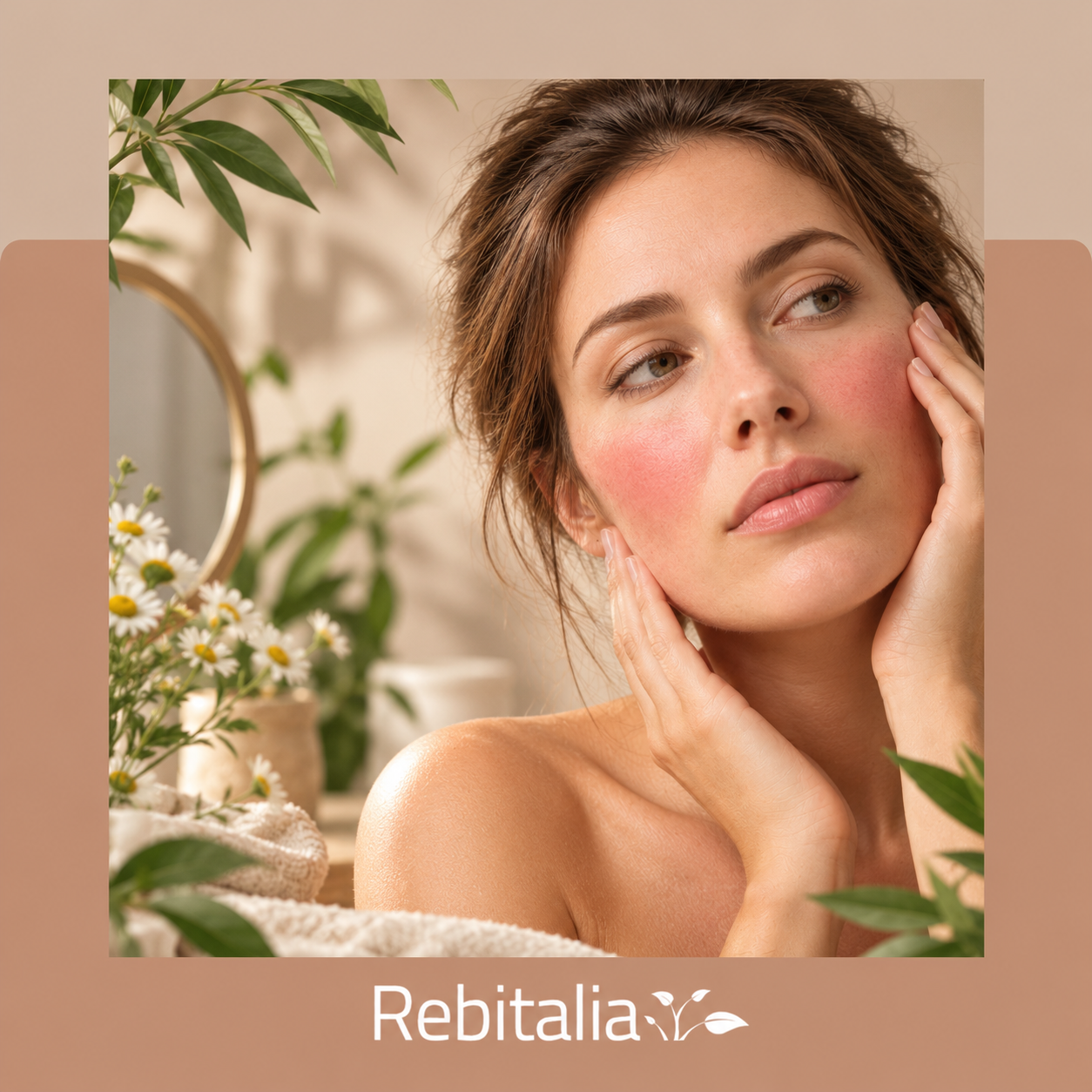

Facial redness is common, particularly in people with delicate, reactive skin. Some complexions flush readily in response to cold, heat, wind, sun exposure or unsuitable skincare products. Redness is not always just a cosmetic concern: it can be a sign that the skin is struggling to maintain its natural balance and needs gentler care. Understanding the triggers is the first step towards choosing a routine that respects the skin’s physiology.
Why does facial skin become red?
Redness is largely associated with the widening of small blood vessels close to the skin’s surface and increased reactivity to external factors. Common triggers include:
- naturally sensitive skin
- a compromised skin barrier
- sudden changes in temperature
- sun exposure
- wind and cold weather
- stress
- harsh cosmetic products
When skin is more vulnerable, these factors may lead to warmth, stinging, tightness and visible redness.
The importance of the skin barrier
The skin’s surface is naturally protected by the hydrolipid film, a fine layer made up mainly of water and lipids. It plays several essential roles:
- limiting moisture loss
- helping protect against external aggressors
- supporting the skin’s natural balance
When this protective film is disrupted, skin may become more vulnerable, with:
- dryness
- increased sensitivity
- discomfort
- more frequent redness
That is why delicate skin benefits from avoiding harsh formulas and using products designed to respect its natural balance.
Facial redness and couperose: what is the difference?
Occasional flushing may be a normal response to an external trigger. Couperose, by contrast, describes more persistent redness associated with the fragility and visibility of tiny superficial blood vessels. It may involve:
- diffuse redness, especially on the cheeks, nose and cheekbones
- small visible capillaries
- increased skin sensitivity
Those with couperose or highly reactive skin should pay particular attention to temperature fluctuations, sun exposure and overly harsh cosmetic products, which can make redness more noticeable.
Everyday factors that can make redness worse
Temperature changes. Moving quickly between warm and cold environments may trigger a temporary vascular response and more visible redness.
Sun exposure. UV radiation can contribute to oxidative stress and increased sensitivity.
Overly harsh cleansing. Strong cleansers and excessive washing can undermine the skin barrier.
Unsuitable cosmetics. Ingredients that are too intensive for your skin may increase the feeling of irritation.
How to care for redness-prone skin
A skincare routine for sensitive skin should aim to:
- maintain hydration
- support the skin barrier
- reduce feelings of discomfort
- use mild, skin-respecting products
Helpful everyday habits include:
- cleanse the face gently
- avoid very hot water
- moisturise daily
- protect skin from sun exposure
- choose products with soothing cosmetic ingredients
Consistency is key to keeping sensitive skin feeling balanced over time.
Cosmetic ingredients for sensitive skin
Formulas for redness-prone skin may contain ingredients selected for their soothing and protective cosmetic properties, such as:
- Chamomile, traditionally used in soothing skincare
- Horse chestnut and butcher’s broom, used in cosmetic products for skin prone to visible capillaries
- Glycerin, a humectant that helps maintain hydration and softness
Together, these ingredients can form part of a targeted routine for delicate skin.
Choosing the right skincare makes a difference
For delicate skin prone to redness, Rebitalia offers SKIN LIFE Comfort Face Cream for Redness-Prone Skin, a daily cosmetic product designed to help improve skin comfort.
Its formula includes selected cosmetic ingredients such as horse chestnut, butcher’s broom, chamomile and glycerin, which help keep skin moisturised, soft and protected.
With daily use, the cream helps ease the feeling of discomfort associated with sensitive skin and improve the appearance of redness-prone areas, for a more even-looking, comfortable complexion.
Caring for redness-prone skin starts with respecting its natural balance. Keeping the skin barrier in good condition is an important part of maintaining a healthy-looking, radiant complexion.