When stress affects hair: a real and scientific link
psychophysical stress is today one of the most frequent causes of alterations in hair growth. Intense rhythms, work pressures, emotional tensions or traumatic events can be reflected directly on the scalp, leading to an abnormal hair loss that is often sudden and difficult to explain. This is not a simple “nervous” phenomenon, but a precise biological response: skin and nervous system share the same embryonic origin, called ectoderm, and remain connected throughout life through what is defined as the psycho-neuro-immuno-cutaneous axis. This means that the hair follicle is extremely sensitive to emotional and hormonal states. It is precisely for this reason that conditions such as dermatitis, seborrhea or hair loss often represent a real somatisation of stress.
What happens in the body: stress hormones and the hair cycle
When the body perceives a stressful situation, the hypothalamic-pituitary-adrenal axis is activated, a system that regulates the response to stress through the production of cortisol, the main hormone involved. In the short term, cortisol is useful, but if it remains high for a long time it can alter the hair growth cycle. In particular, it tends to shorten the growth phase (anagen) and prematurely push the follicles towards the resting phase (telogen), causing widespread hair loss. At the same time reduces the protein synthesis necessary for keratin, compromises the microcirculation of the scalp and can create an unfavorable inflammatory environment. The autonomic nervous system also comes into play: stress activates the sympathetic system, leading to vasoconstriction, increased sebum production and muscular tension at the cranial level, all factors that negatively influence hair health.
Telogen effluvium from stress: how to recognise it
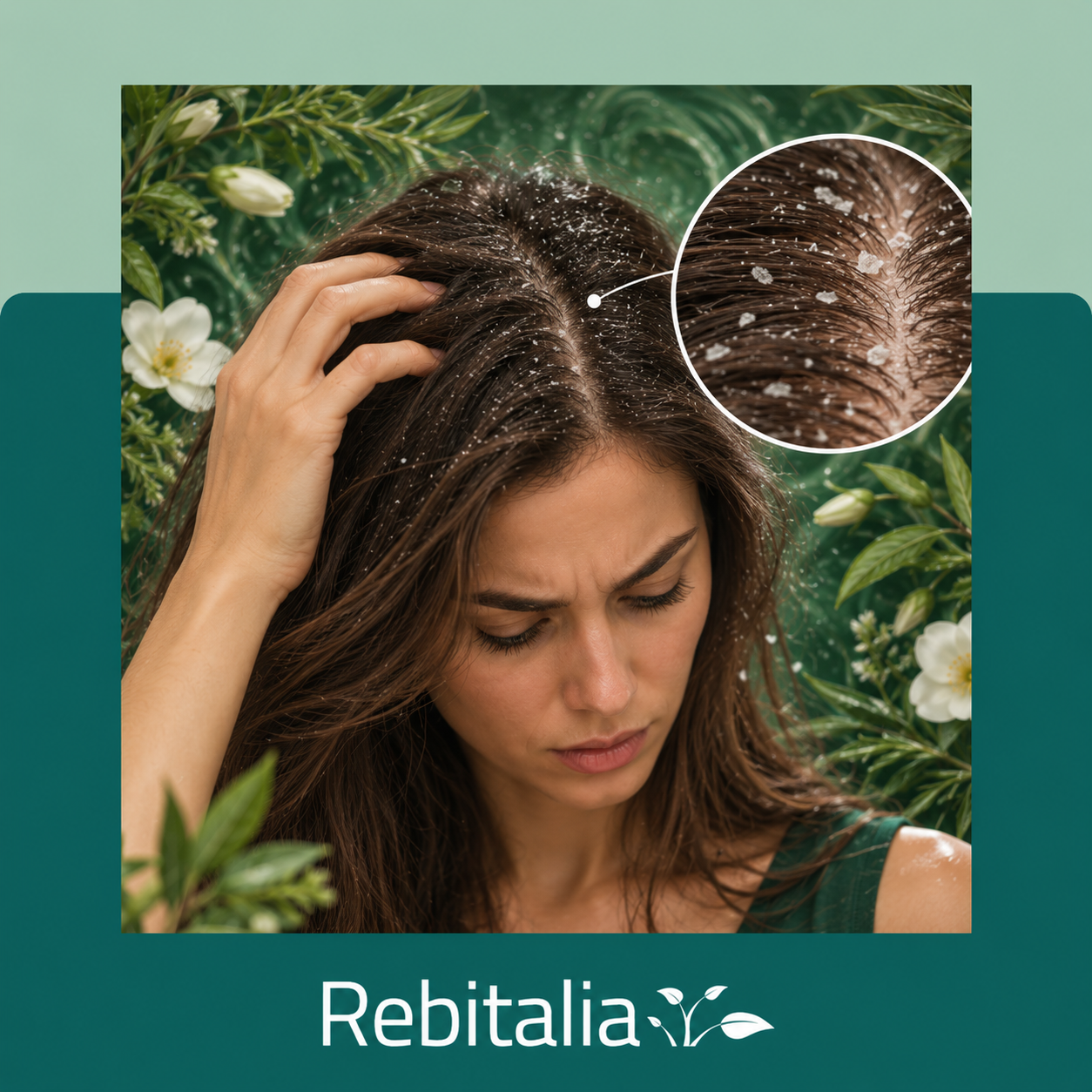
The most typical form of stress-related hair loss is telogen effluvium, characterized by sudden and widespread hair loss. A fundamental aspect to understand is its timing: the fall does not happen immediately, but about 2-3 months after the stressful event. This happens because the hair that has entered the telogen phase remains anchored for a period before falling out all together. The result is abundant loss, often visible during shampooing or brushing, which can cause serious concern. At a clinical level, the loss is uniform over the entire scalp, the hair maintains its diameter and no miniaturization is observed. Other signs associated with stress may also appear, such as increased seborrhea, itching, trichodynia (scalp pain) or seborrheic dermatitis. The most important feature, however, is that it is a generally reversible condition: once the cause is resolved, the hair grows normally again.
Not just hair: how stress alters the balance of the scalpStress not only affects hair loss, but profoundly modifies the balance of the scalp. The alteration of neurotransmitters such as serotonin, dopamine and norepinephrine directly affects hair growth, slowing down cell proliferation and reducing the quality of the hair. At the same time, hyperactivation of the sympathetic nervous system can lead to excessive sebum production, increased sweating and a reduction in follicular oxygenation. This creates a less conducive environment for growth, making hair more fragile, thinner and difficult to manage. In many cases, symptoms such as sensitive, red or painful scalp also appear, clear signs of an imbalance that not only affects the structure of the hair, but the entire skin system.
How to intervene: trichological treatments and stress management
Addressing stress-induced hair loss requires an integrated approach. It is not enough to intervene on the hair: it is also necessary to work on the cause. The trichological treatments have a fundamental role in supporting the follicle, improving microcirculation and supporting healthier-looking hair, especially through scalp massages which stimulate the parasympathetic system, reduce cortisol and improve tissue oxygenation. The REBITALIA protocols, in particular, integrate natural active ingredients, amino acids, vitamins and ingredients with a calming and rebalancing, offering effective support in moments of greatest fragility. Alongside treatments, it is important to intervene on lifestyle: improving the quality of sleep, being physically active, reducing stimulants and introducing relaxation techniques such as breathing or meditation can make a big difference. Hair loss due to stress is not just an cosmetic concern, but a signal from the body: learning to recognise and manage it is the first step to finding balance and well-being, even in your hair.